

How to Build a Safe, Effective Acne Treatment Pathway
Most acne treatment plans stumble because they miss key personal details that shape your skin’s needs. At our CQC registered clinic in Stockport, we build a medical acne pathway rooted in your unique skin story and lifestyle. This guide reveals how careful assessment and evidence-based care combine to create safe, effective results you can trust. Ready to explore a treatment pathway tailored just for you?
Understanding Acne Treatment Pathway
Building a personalised acne treatment pathway requires a systematic approach to address your unique needs. Let's explore the crucial stages involved.
Triage and Identifying Red Flags
Spotting acne's warning signs early can make a big difference in treatment outcomes. When you first notice new or worsening acne, ask yourself if it's affecting your daily life or causing significant discomfort. Your skin may need professional attention if you're experiencing severe pain or if the acne is spreading rapidly. Our clinic in Stockport prioritises identifying these red flags during your initial consultation. This ensures we tailor our approach to prevent potential scarring and other complications. Most people start with over-the-counter solutions, but sometimes these aren't enough. Recognising when to step up your treatment is key to managing your skin health effectively.
Mapping Acne Types and Causes
Understanding the type of acne you have is essential for effective treatment. Acne comes in various forms, from blackheads and whiteheads to more severe cysts and nodules. Each type is driven by different factors such as oil production, bacteria, and inflammation. Knowing what triggers your acne can help in selecting the right treatments. For instance, hormonal changes often lead to increased oil production, especially in teens and adults. Lifestyle factors like stress and diet also play a role. By identifying these elements, you can make informed decisions on how to manage your skin better.
Essential Skincare Foundations
A solid skincare routine is the backbone of effective acne management. Start with a gentle cleanser to remove excess oil and impurities without stripping your skin. Follow this with a non-comedogenic moisturiser to maintain hydration without clogging pores. Simple habits like washing your face twice a day and removing makeup before bed can prevent acne from worsening. Avoid products with harsh chemicals that can irritate your skin. Instead, opt for those that support your skin's natural barrier. Consistent skincare practices lay the groundwork for any additional treatments you may explore.
Evidence-Based Treatment Options
Once you have a foundational skincare routine, it's time to consider targeted treatments that address your specific acne concerns.
Topicals: Benzoyl Peroxide and Retinoids
Topical treatments can be highly effective in managing acne.These treatments require patience, as visible improvements often take several weeks. Consistent application is key to achieving the desired results. Always follow the usage instructions to minimise potential side effects like dryness or irritation.
Systemic Therapies and Referrals
Sometimes, topical and in-clinic treatments aren't enough, especially for severe or persistent acne. Systemic therapies, including oral medications like antibiotics or isotretinoin, may be recommended. These require careful monitoring due to potential side effects. A referral to a dermatologist might be necessary for specialised care. Collaboration between your primary provider and a specialist ensures a comprehensive approach to managing stubborn acne. This coordinated care path is essential for achieving and maintaining clear skin.
Holistic Wellness and Maintenance
Achieving clear skin is just one part of the journey; maintaining it requires a holistic approach that addresses overall wellness.
Your skin reflects your overall health, making a balanced lifestyle crucial for long-term acne management. Focus on a nutrient-rich diet, regular exercise, and stress reduction techniques. These habits support your skin's ability to heal and regenerate.
Planning for Acne Scar Management
Preventing acne scars is a top priority, but if they do occur, there are effective treatments available. Options such as microneedling can improve skin texture and promote collagen production, reducing the appearance of scars. Timing is essential for these interventions, so consult with a professional to determine the best plan for your skin. Addressing scars not only improves your skin's appearance but also boosts your confidence.
Importance of Regular Consultations
Regular consultations with a skincare professional are vital for monitoring progress and adjusting treatments as needed. These check-ins provide an opportunity to discuss any concerns and ensure that your skincare routine remains effective. A professional can also introduce new treatments if your skin's needs change. Ongoing care and adjustments are essential to maintaining clear, healthy skin in the long run.
Frequently Asked Questions
What is the most effective treatment for acne?
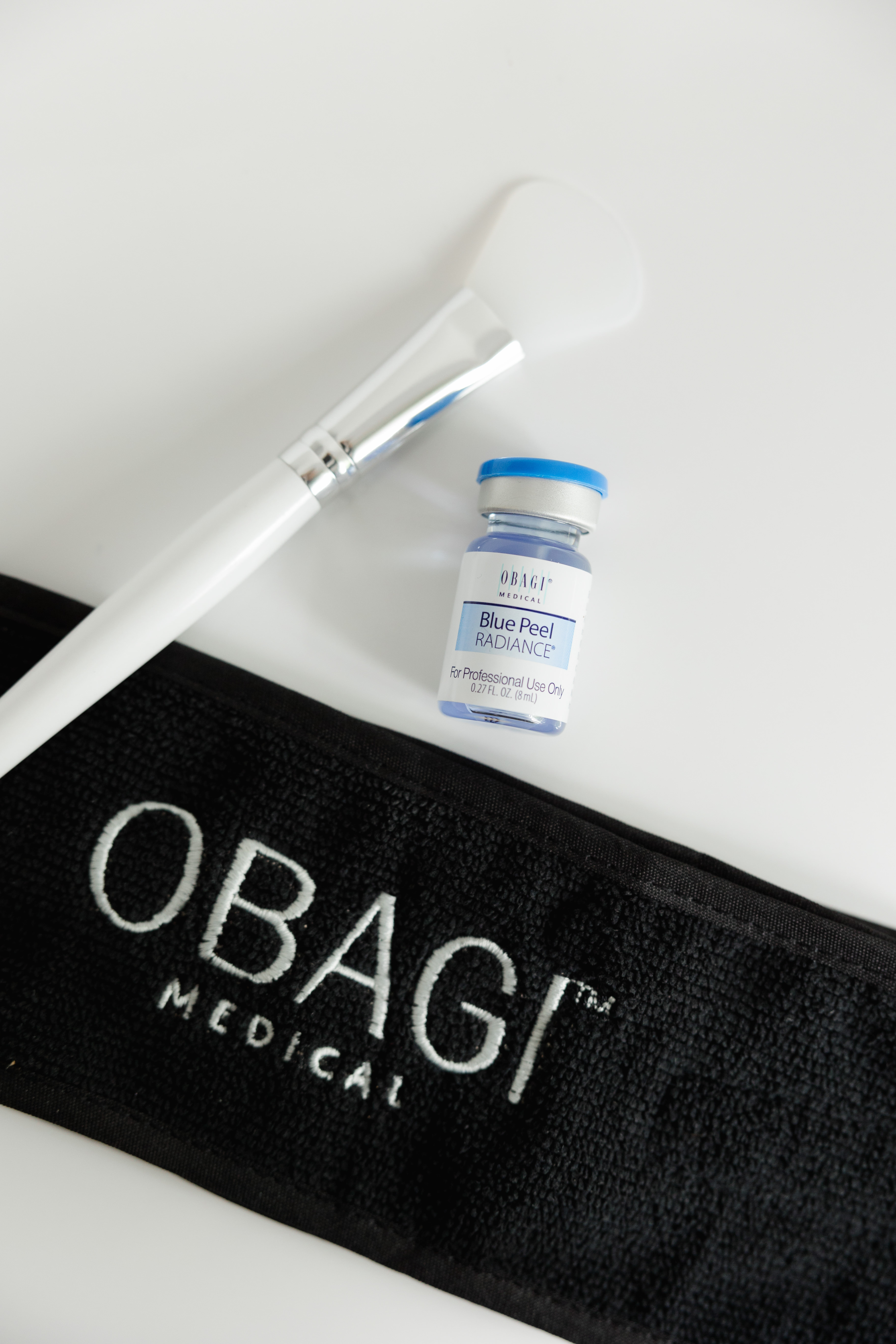
The most effective treatment combines a consistent skincare routine with targeted therapies like benzoyl peroxide, retinoids, and, if needed, professional interventions such as chemical peels or LED therapy.
How long does it take to see results from acne treatments?
Results vary, but most treatments require several weeks to months of consistent use. Patience and adherence to the recommended routine are key to achieving clear skin.
Can lifestyle changes really improve acne?
Yes, lifestyle changes such as a balanced diet, regular exercise, and stress management can significantly impact acne by supporting your skin's health and reducing inflammation.
Are in-clinic acne treatments safe?
Yes, when performed by qualified professionals, in-clinic treatments like chemical peels and LED therapy are safe and can enhance the effects of your at-home regimen.
How do I know when to see a dermatologist for my acne?
If your acne is severe, persistent, or causing significant distress, it's time to seek professional advice. A dermatologist can provide specialized care and recommend advanced treatments.
Comments