

Why Acne Treatment Takes Time: A Clear Timeline and What to Expect
Acne treatment often feels slower than you expect. You might wonder why your skin doesn’t clear up overnight, even with the right prescription skincare for acne. This timeline is normal—skin renewal, retinoid adjustment, and managing side effects all take time. Understanding these stages helps set realistic goals and guides you toward a consultation-led plan for lasting control.
The Gradual Path to Clear Skin
Why Acne Treatment Takes Time
Acne treatment is a process, not an instant fix. When you start a new regimen, your skin needs time to adjust. Initial irritation is common, especially with treatments like retinoids for acne. These products often cause a phase known as "skin purging" where breakouts may temporarily worsen. This is actually a sign that the treatment is beginning to work, clearing out clogged pores. The skin's natural renewal cycle, usually around 28 days, also plays a role in how quickly you see results. Each cycle gradually reveals clearer skin as dead cells are shed and replaced.
Realistic Timelines for Acne Improvement
Patience is crucial when tackling acne. Often, it can take 8 to 12 weeks before noticeable improvements occur. This timeline allows the treatment to penetrate deep, address underlying issues, and prevent new acne from forming. If you're using prescription skincare for acne, you might witness gradual changes within the first month, but substantial results usually appear closer to the end of three months. Consistency is key: sticking to your regimen even when you don't see immediate changes ensures the treatment can do its job effectively.
Expected Milestones and Side Effects
As you progress with acne management, you'll reach several milestones. Initially, you may experience dryness or mild irritation, particularly with ingredients like benzoyl peroxide or retinoids. This is temporary and often subsides as your skin adapts. After a few weeks, you should notice a reduction in new breakouts and inflammation. By the three-month mark, many people see fewer blemishes and clearer skin overall. However, if side effects persist or worsen, it's crucial to consult with a professional for adjustments to your treatment plan.
Components of Effective Acne Management
Prescription Skincare for Acne
Prescription skincare for acne targets the root causes of breakouts. Topical treatments often include retinoids, which help unclog pores and reduce inflammation. Benzoyl peroxide is another common ingredient, known for its ability to kill bacteria and prevent pimples. Your healthcare provider may also recommend azelaic acid, effective for reducing redness and swelling. It's vital to use these products as directed, typically applying them in the evening to minimize irritation. Regular follow-ups with your provider will ensure your regimen remains effective and safe.
Targeted In-Clinic Treatments
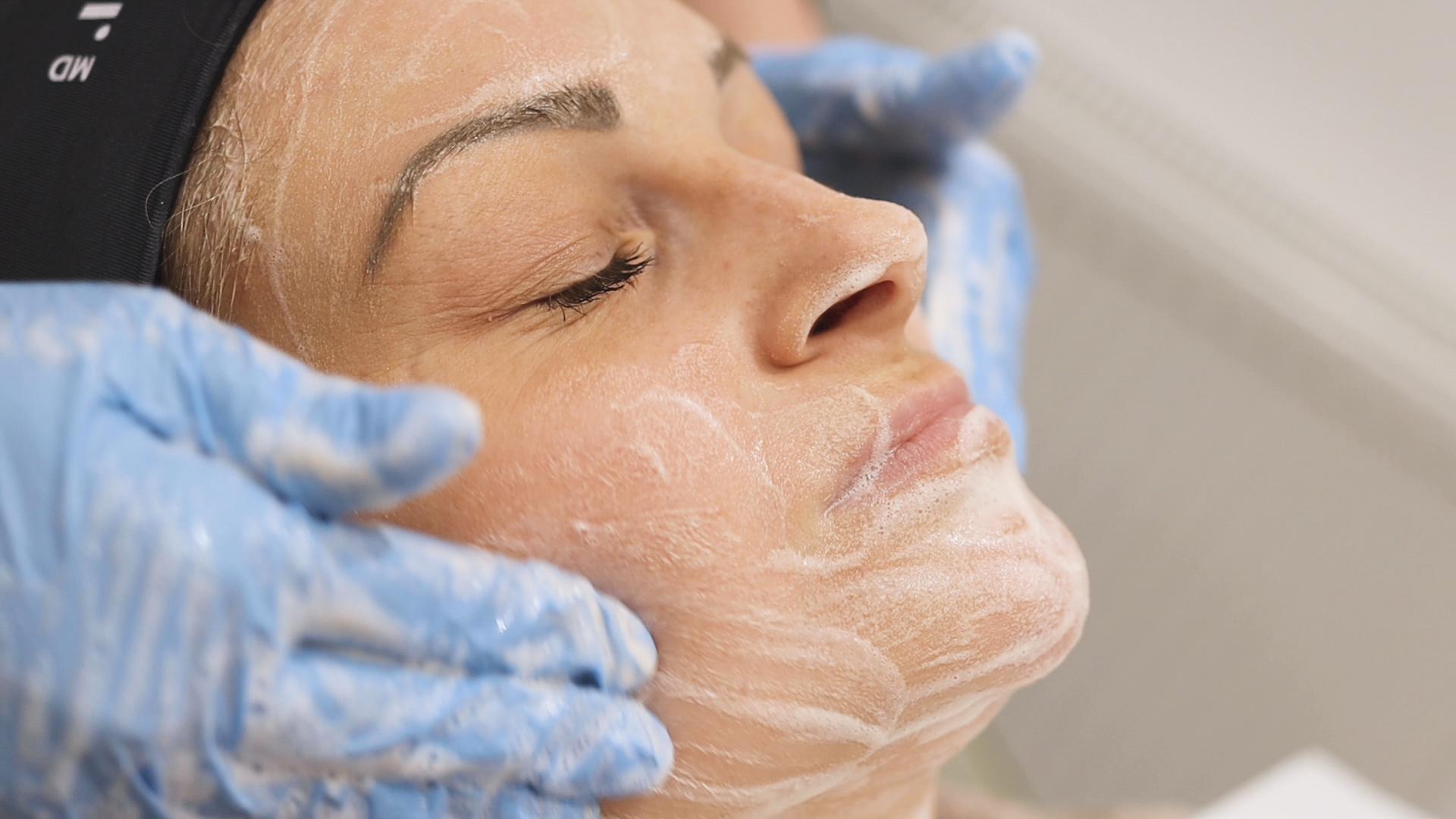
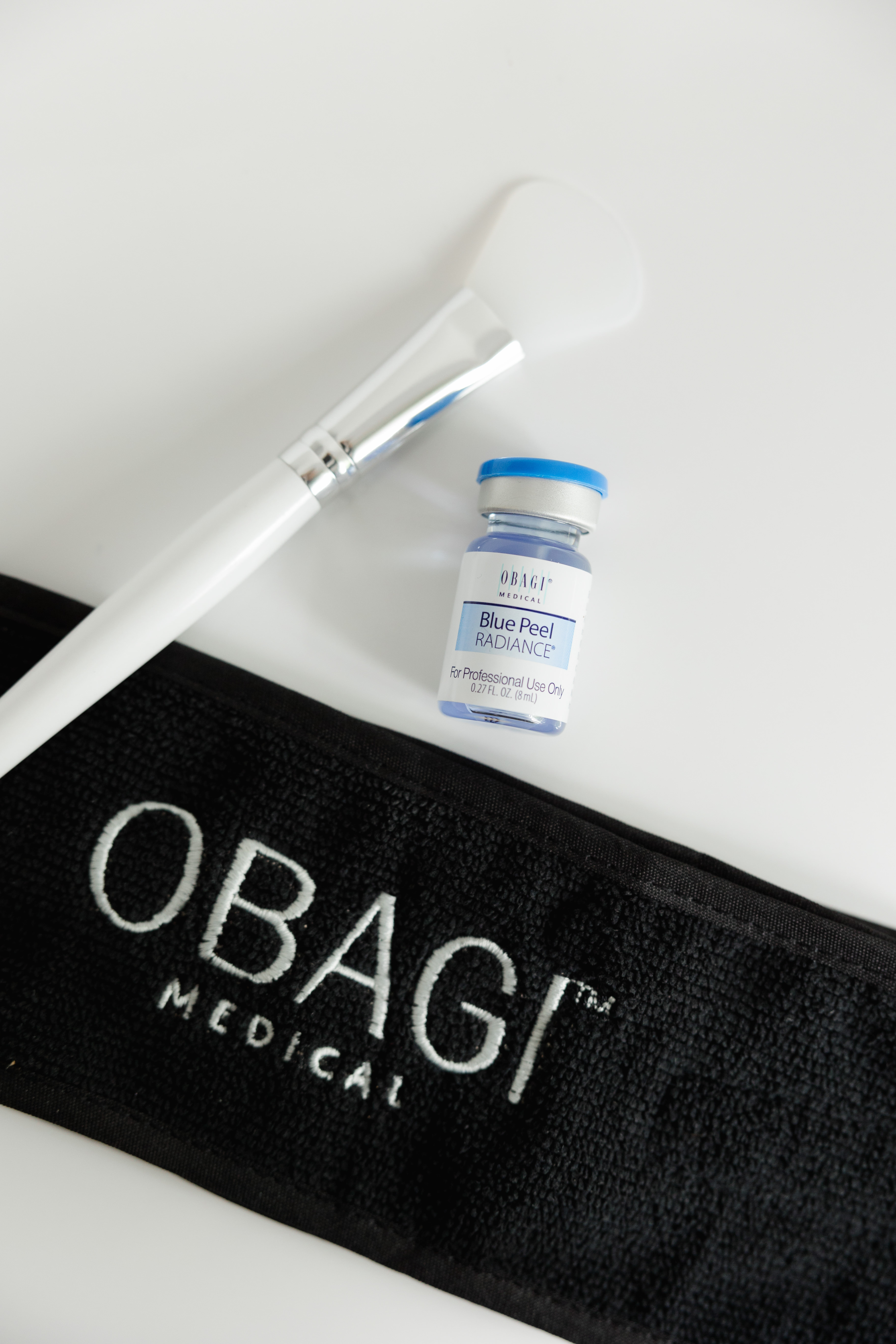
For stubborn acne, in-clinic treatments can offer additional support. These options, such as LED therapy for acne and chemical peels, work by targeting deeper layers of the skin. LED therapy uses specific wavelengths of light to reduce bacteria and inflammation without causing damage. Chemical peels help exfoliate the outer skin layer, promoting cell turnover and improving texture. Such treatments should be performed by experienced professionals, ensuring they are suitable for your skin type and won’t cause undue irritation.
Personalised Acne Care Approach
Consultation-Led Care at CQC-Registered Clinic
Personalised care begins with a thorough consultation at a CQC-registered clinic. During this initial meeting, a detailed skin assessment is conducted to identify specific needs and challenges. This step ensures the treatment plan is tailored to your skin's unique characteristics and conditions. A consultation-led approach prioritises your safety and results, providing a clear roadmap for managing acne effectively.
Role of Independent Prescribing Nurse
An independent prescribing nurse plays a crucial role in your acne treatment journey. With the authority to prescribe medications, they can adjust your treatment plan as needed, ensuring optimal effectiveness. Their expertise allows them to provide guidance on managing side effects and achieving the best possible outcomes. Regular check-ins with your nurse can help track progress and make necessary changes to your regimen.
Long-Term Acne Control Strategies
Achieving clear skin is just the beginning. Long-term acne control involves maintaining healthy skin practices and regular follow-ups with your healthcare provider. Developing a consistent skincare routine that includes gentle cleansing and appropriate moisturisation supports ongoing skin health. Your provider can help monitor progress and adjust treatments as necessary, ensuring that your skin remains clear and healthy over time. By committing to these strategies, you can enjoy sustainable results and newfound confidence.
Frequently Asked Questions
How long does it take for acne treatments to work?
Acne treatments typically take 8 to 12 weeks to show noticeable improvements. This timeline allows treatments to address underlying causes and prevent new acne from forming. Consistency is key for effective results.
What should I do if my skin gets irritated by acne products?
Mild irritation is common when starting treatments. If it persists, consult your healthcare provider. They can adjust your regimen or recommend supportive measures to alleviate discomfort.
Can stress and diet affect acne?
Yes, both stress and diet can impact acne. High stress levels may exacerbate breakouts, while a balanced diet rich in fruits and vegetables supports overall skin health. Avoiding high-glycemic foods and excessive dairy can help some individuals.
Are in-clinic treatments necessary for acne?
In-clinic treatments like LED therapy and chemical peels can enhance acne management, especially for stubborn cases. These should be performed by professionals to ensure safety and effectiveness.
What role does a prescribing nurse play in acne care?
A prescribing nurse provides personalised guidance and adjusts treatment plans as necessary. Their expertise ensures optimal outcomes and effective management of side effects. Regular check-ins help track progress and make necessary adjustments.
We answer these but many more questions in our face to face consultations
Comments